
Can You Mix Gold and Silver Jewellery?
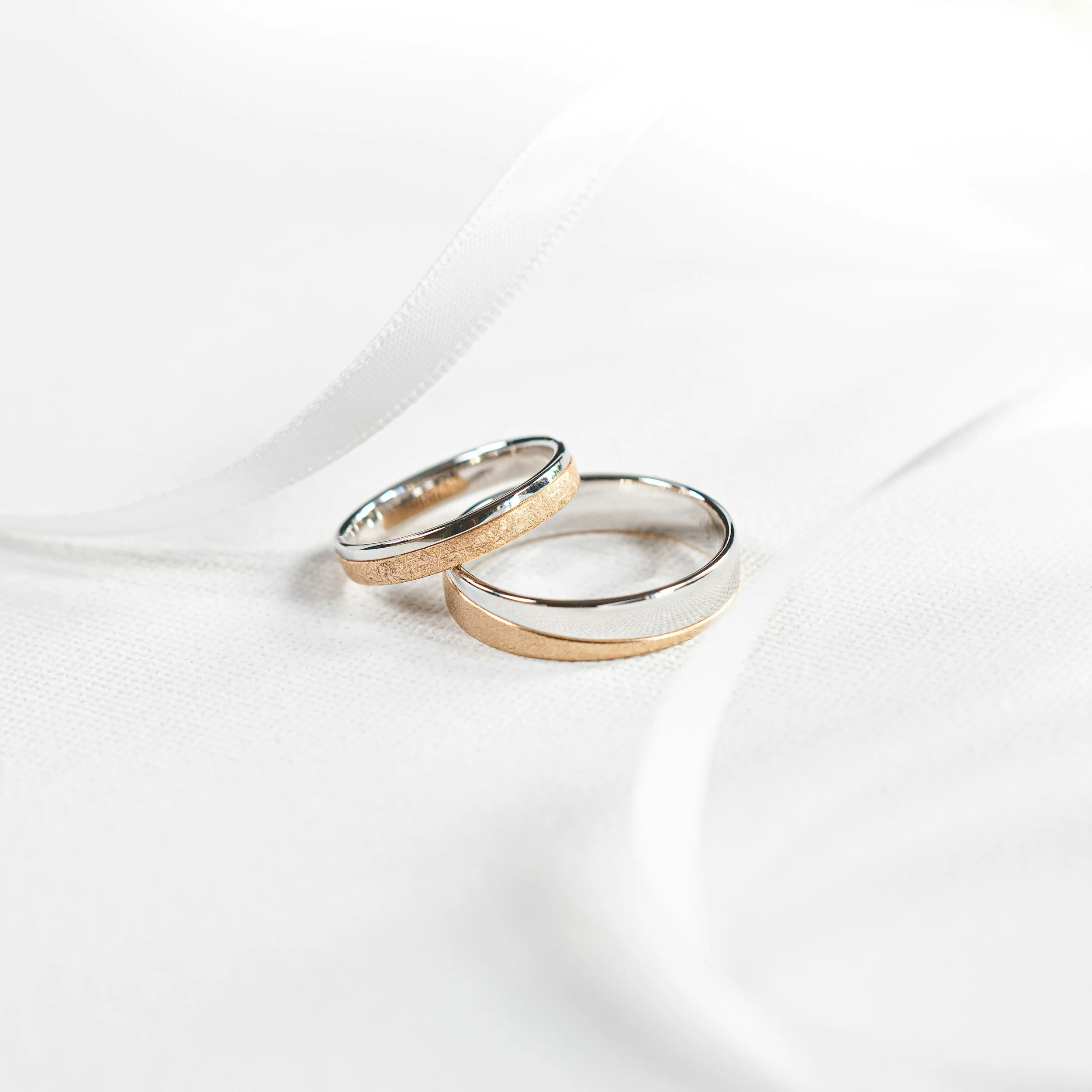
There was a time when mixing gold and silver jewellery was treated as something you simply didn't do. You chose yellow gold or you chose silver and generally kept everything else to match.
Thankfully, those rules have relaxed. Mixing warm yellow gold with cooler silver, white gold or other white metals can make a jewellery collection much more versatile. It also means you don't have to stop wearing a favourite piece simply because it doesn't match everything else you own.
Whether you're combining individual pieces or choosing jewellery that already incorporates different metal colours within the same design, there are plenty of ways to make mixed metals work.
Mixing individual gold and silver pieces
You don't need to buy a matching set for your jewellery to work together. A yellow gold necklace can sit comfortably alongside silver earrings, just as silver and gold bracelets can be worn together as part of the same stack.
The easiest approach is to make the combination look intentional. Rather than wearing several silver pieces and adding one very small yellow gold detail, try repeating both tones elsewhere. For example, combine yellow gold and silver bracelets and then introduce the same contrast through your rings or earrings.
You can also use different proportions depending on the jewellery you already own. If most of your collection is silver, a yellow gold pendant, pair of earrings or ring can introduce warmth without requiring you to change everything else.
Different finishes can add another layer. Matt, polished, textured and hammered surfaces reflect light differently, so mixing jewellery doesn't have to be only about the colour of the metal.
Using one piece to bring everything together
If you're unsure about combining separate pieces, a two-tone design can act as a useful link between the rest of your jewellery.
For example, wearing yellow gold and silver bracelets alongside a bangle containing both colours can make the combination feel more intentional. The same applies to earrings containing yellow and white gold when you're wearing a yellow gold necklace with a white gold ring.
You don't need every piece to contain both colours. One mixed-metal piece can be enough to connect the different tones you're already wearing.
Jewellery that combines warm and cool metals
We have a number of designs at chapter79 that contain both colours. Some combine sterling silver with yellow gold or gold detailing, while others use yellow and white gold together to achieve a similar contrast.
For rings, our 18ct White, 18ct Yellow Gold & Carbon Fibre Path Ring brings yellow and white gold together with dark carbon fibre. The different materials form part of the design itself, rather than simply being added as separate details.
There are several options in our earring collection too. Our 9ct Yellow & White Gold Kiss Stud Earrings, 9ct Yellow & White Gold Butterfly Stud Earrings and 9ct Yellow & White Gold Offset Entwined Square Studs all combine the two gold colours within compact everyday designs.
For something with more detail, the 18ct Yellow & White Gold Fan Diamond & Pearl Stud Earrings combine both gold colours with freshwater pearls and round brilliant cut diamonds. Our 9ct Gold Multi Colour Metal Diamond Stud Earrings are another option if you want more than one metal tone within a single pair.
Mixed metals aren't limited to rings and earrings. The Latham & Neve Sterling Silver & 18ct Gold Ripple Multi Bangle combines sterling silver with 18ct gold, while the Latham & Neve Sterling Silver Rock Cufflinks with Gold Detail introduce a smaller gold accent against silver.
Creating your own mixed-metal jewellery
Mixed metals can also work particularly well in bespoke and remodelled jewellery.
You may have inherited a yellow gold ring but usually wear silver or white gold, or have several older pieces in different metals that no longer suit your style. Depending on the jewellery and the condition of the materials, our workshop can explore ways of remodelling existing pieces or creating a new design that incorporates contrasting metals.
You can also start from scratch with a bespoke design, choosing the metals, proportions, finish, gemstones and other details to suit the jewellery you already wear.
Mixing metals without damaging your jewellery
From a styling point of view, there's no reason not to mix metals. From a practical point of view, it's worth considering how pieces come into contact with one another.
This is particularly relevant when stacking rings. Two rings worn tightly against each other will rub as your hands move, and over time this can cause wear. The amount of wear depends on the metals, their alloys, the shape and weight of the rings, their surface finishes and whether either piece has fine claws or other delicate details.
If you have a particularly fine ring, an older piece that has already experienced some wear, or a ring with delicate stone settings, we'd recommend having it checked before regularly stacking it against another band.
Bracelets and necklaces are generally easier to mix because they have more freedom to move, although very fine chains can still be affected by heavier pieces. Think about the weight and construction of the jewellery rather than simply whether one piece is gold and another is silver.
Build a jewellery collection that works together
At chapter79, we have a range of ready-to-order jewellery in yellow gold, white gold, silver and mixed-metal designs, including rings, earrings, necklaces, bracelets, bangles and cufflinks. We can also help with bespoke jewellery and remodelling if you'd like to create something specifically designed to complement the pieces you already wear.
Visit our Hertford shop to browse the collection, try different metals and styles together, and discuss your ideas with our team. If you're considering a bespoke or remodelling project, bring your existing jewellery with you and we can talk through what may be possible.
Alternatively, call us on 01992 534 555 to discuss what you're looking for and how we can help.